AI Voice Cloning in Live Streaming: Real-Time Dubbing, Ethics, and Platform Rules
How neural voice synthesis enables real-time stream translation preserving vocal timbre, and what YouTube and Twitch synthetic media rules require.

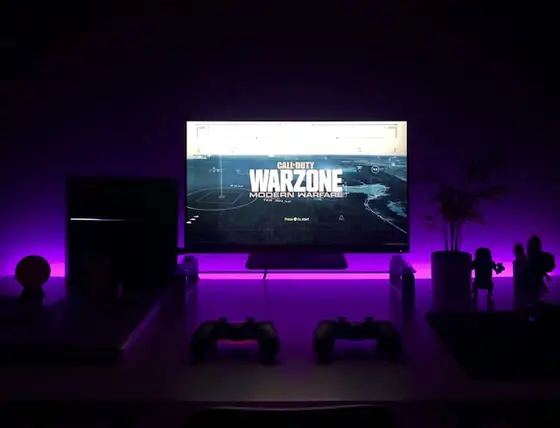
Real-Time Neural Synthesis: Erasing Language Barriers Across Platforms
The rise of deep neural voice synthesis (RVC and acoustic diffusion models) has unlocked a transformative milestone for live broadcasters. Until recently, global streaming required delayed automated subtitles or costly human translators. Today, content creators can route OBS audio through an ultra-low latency inference engine that translates spoken Spanish into English or Portuguese in under 120 milliseconds while preserving the exact pitch, timbre, and emotional cadence of the speaker. This breakthrough relies on specialized tensor accelerators on modern GPUs. By training zero-shot acoustic embeddings on just minutes of sample audio, the software preserves unique vocal mannerisms without mechanical artifacts. Leading streamers on YouTube and Twitch are already testing multi-track language audio, enabling global audiences to tune in without the sterile, flat delivery of traditional text-to-speech engines.
Platform Regulations, Disclosure Mandates, and Actor Intellectual Property
The rapid adoption of synthetic voices prompted YouTube and Twitch to publish strict synthetic content policies to combat deceptive impersonation. Broadcasters employing real-time voice modification or hyper-realistic vocal avatars must enable mandatory synthetic media disclosure labels in their stream control center. Failing to declare synthetic speech can trigger demonetization, algorithmic penalties, or permanent account suspensions. Simultaneously, the technology has transformed interactive chat donations. Viewers frequently donate to have chat messages read aloud by cloned voices of iconic game protagonists like Geralt of Rivia or Master Chief. While this interaction model has significantly increased community support revenues, professional voice actors and SAG-AFTRA members continue to raise valid concerns regarding unauthorized vocal licensing and the absence of fair compensation models for digital likeness rights.
Key Takeaways
- •Sub-120ms neural synthesis enables instant multi-language broadcasting while preserving creator vocal identity.
- •Twitch and YouTube require clear synthetic media disclosure labels on all broadcasts using cloned voice models.
- •Custom game character donation voices drive record viewer engagement but remain subject to evolving copyright and licensing debates.
Yes. Both Twitch and YouTube policy frameworks mandate clear creator-side disclosures whenever realistic synthetic speech or vocal conversion models are used in broadcasts.
Broadcasters typically utilize modern RTX GPUs running local RVC v2 inference pipelines alongside low-latency virtual audio routing cables.
Did you find this article interesting?
Your vote helps calibrate recommendations in the community.
Comments (0)
Recommended Reading
TikTok Live Studio: Best Settings for Vertical Mobile Gaming Livestreams
Optimizing 9:16 vertical canvas: webcam framing, game crop placement, and bitrate guidelines for mobile feeds.
YouTube 1440p AV1 Streaming vs Twitch 8000 Kbps Cap: The Visual Fidelity War
Why streaming at 1440p on YouTube unlocks premium VP09/AV1 transcode pipelines that easily defeat Twitch limits.