8000 Hz Gaming Mice: Worth the Edge or Excessive CPU Bottleneck in eSports?
Testing ultra-high polling rates: sub-millisecond click latency, CPU thread usage, and 360 Hz monitor pairing.


From 1000 Hz to 8000 Hz: The physics of input interval polling
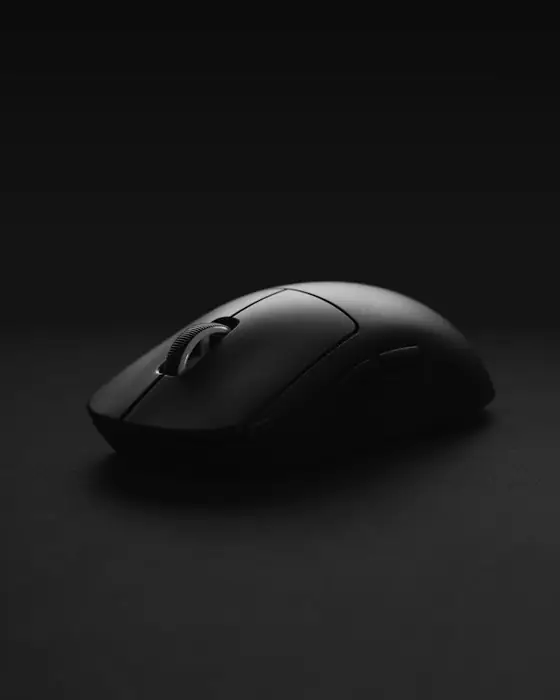
At 1000 Hz, coordinates report every 1.0 ms. At 8000 Hz, that latency drops to 0.125 ms, creating ultra-smooth tracking across high-refresh 240 Hz to 540 Hz displays.
CPU Thread Interruption OverheadSweeping an 8000 Hz mouse triggers thousands of hardware interrupts per second, potentially causing frame drops if your CPU lacks spare compute cores.
Practical sweet spot: 2000 Hz and 4000 Hz
For most gamers, 2000 Hz or 4000 Hz provides 95% of the response advantage without risking frametime dips in demanding shooters.
Key Takeaways
- •Slashing positional report intervals from 1 ms to 0.125 ms.
- •Noticeable primarily on ultra-fast 240 Hz to 540 Hz gaming monitors.
- •2000 Hz to 4000 Hz represents the ideal sweet spot without CPU penalties.
It provides in-depth technical context, hardware benchmarks, and community analysis of recent changes.
Did you find this article interesting?
Your vote helps calibrate recommendations in the community.
Comments (0)
Recommended Reading
Wi-Fi 7 Gaming Routers and 320 MHz Channels: Sub-Millisecond Wireless Latency
Multi-Link Operation (MLO) allows concurrent 5 GHz and 6 GHz transmission, challenging traditional Ethernet cables.
Asus ROG Ally X vs Lenovo Legion Go: Head-to-Head Handheld PC Showdown
24 GB high-speed RAM and massive 80 Wh battery pitted against a giant 8.8-inch display with detachable controllers.